
Bexley recently signed a new recycling contract with the N+P Group.
The change means that recycling collected from residents’ white-lidded wheeled bins will now be recycled locally in Crayford, instead of being transported to Hertfordshire for processing.
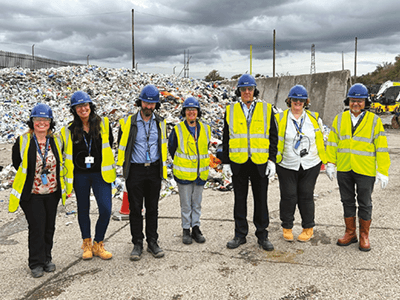
The new three-year contract with local provider N+P will reduce vehicle emissions and transport costs. In line with Bexley’s Climate Change commitment, the change helps reduce our carbon footprint.
The Crayford Material Recovery Facility (MRF) is the largest facility of its kind in Europe and one of the most efficient in the UK, employing up to 260 and providing jobs for local people.
Cabinet Member for Places, Cllr Richard Diment said:
We are delighted that N+P in Crayford are now processing our recyclable waste within the Borough boundary and look forward to working in partnership with them going forward.
We aim to take practical action to address climate change that has the support of local people."
Let’s get recycling right
Putting the right materials in the right bin is important. Contamination in recycling refers to anything in your bin that should not be there.
Examples of contamination include placing a nappy in the white lidded bin for plastic recycling, or when materials are not properly cleaned, such as when food residue remains on a plastic tray.
Most of us are getting recycling right, however, when too much contaminated material is collected, it could prevent the whole lorry load from being recycled and sent for incineration which leads to added costs for the Council which could have been spent on vital services.
We can all be guilty of wishcycling, which is the placing of items in a recycle bin in the hope of it being recycled, when it cannot or is unlikely to be recycled.
The most common contaminants are:
- nappies, tissues and sanitary items
- food waste
- clothing
- electricals and batteries
- the right items, but dirty or with leftover food, oil or grease in them
Our collection crews won’t be able to collect your recycling if it is contaminated and will record it as contaminated on our system which will prevent residents from reporting a missed bin.
Festive food-savvy tips
Whether it is leftovers from a holiday feast or uneaten snacks and treats, why not take these small steps to reduce your food waste this year.
- Only buy and cook as much as you need
- Make space in your freezer for leftovers
- Use up your leftovers - for inspiration visit the Love Food, Hate Waste website
Any unavoidable food waste can be placed in your food waste recycling box. If you do not have a box order one today to ensure you are ready to recycle this festive season.
Lithium battery safety
Lithium-Ion batteries are used in vaping devices, many personal electronics such as mobile phones, tablets, laptops, E-Bikes and electric toothbrushes.
Lithium-ion batteries are extremely sensitive to hot temperatures and inherently flammable.
These batteries can cause fires that quickly spread and are difficult to extinguish, causing widespread damage. Please ensure you recycle your batteries and electrical items responsibly. Residents can collect these up and take them to our two Reuse and Recycling Centres, Council’s libraries or to most large supermarkets where they have designated containers for recycling.