Introduction
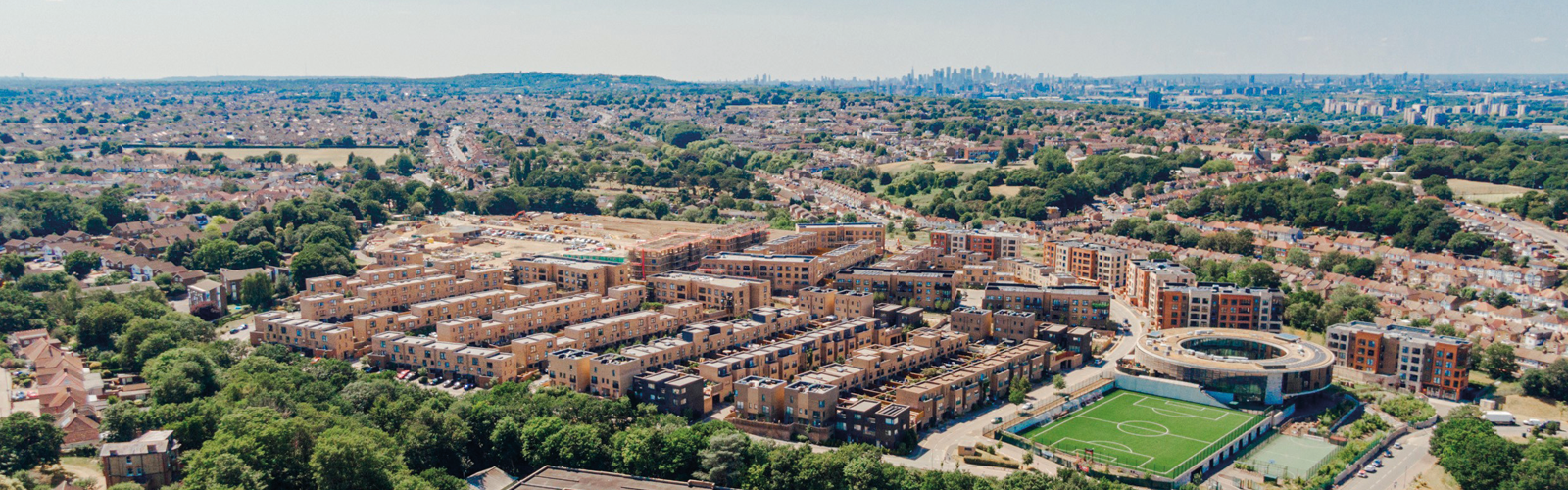
Our communities are thriving and engaged, supported by over 800 charities and community organisations and 16 community centres. Bexley also enjoys a rich and diverse cultural life, with theatres, museums, music venues and over 100 listed buildings, including nationally significant heritage sites such as Hall Place, Danson House, Red House and the Crossness Beam Engine. The borough is known for its educational excellence, with more than 80 schools, including four grammar schools, and several further education institutions, including the world-renowned Rose Bruford and Bird performing arts colleges. With all of this to offer, Bexley has long been the focus of development opportunities. The Council laid the foundations for its growth approach over a decade ago. From 2014, it began engaging with residents and businesses to understand how the borough should respond to emerging challenges and opportunities. The message was clear: growth should be directed to the places where it is most needed, supported by infrastructure investment, particularly in transport, and should create lifetime neighbourhoods where people choose to live throughout their lives, supported by high-quality housing, well-designed spaces and diverse employment opportunities.
These principles were formalised in the Bexley Growth Strategy published in 2017 and embedded in the Local Plan adopted in 2023. Since then, significant progress has been made, including the development of the business case for the eastward extension of the Elizabeth Line following the hugely successful implementation of the current line to Abbey Wood, the approval of major development proposals in Belvedere and the advancement of the Greater Erith Regeneration Programme.
Now, Bexley is ready to take the next step in its growth journey. The focus must shift to enabling the delivery of priority projects by a range of local partners working separately or in unison as appropriate, but always in a coordinated way to make a tangible difference to people’s lives within meaningful timescales. Growth must be inclusive, equitable and shaped by the borough’s diverse communities. This updated Economic Growth Strategy sets out the vision, themes and principles that will guide our work and identifies the actions needed to secure the future Bexley deserves.