

Public Health
Winter Wellbeing in Bexley
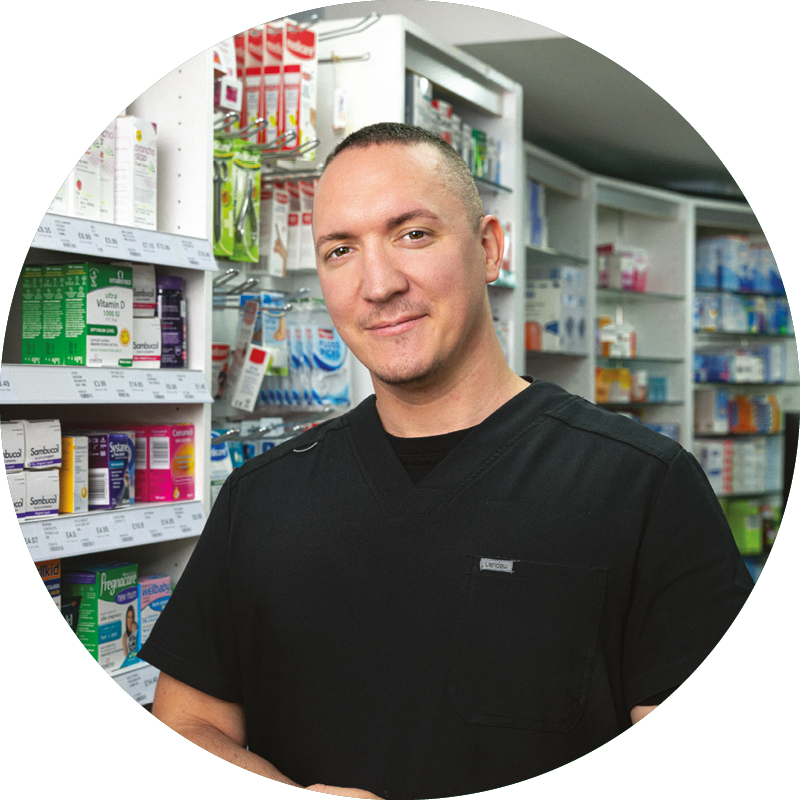
Interview with Matthew, Clinical Pharmacist in a Bexley pharmacy
Winter can be a challenging time for our health, what are the most common reasons people visit their local pharmacy at this time of year?
During winter we see a big increase in coughs, colds, sore throats, sinus problems, earache and flu-like symptoms. There is quite a lot of crossover between these conditions and symptoms can change over a few days.
That’s where NHS Pharmacy First can help. For certain conditions, pharmacists can assess you, advise you on what to look out for and where the NHS clinical pathway indicates treatment is needed, provide prescription-only medicines, including antibiotics where clinically appropriate. You’ll be given clear advice on what to do if your symptoms don’t improve.
We only work within our clinical scope, but if something needs further investigation, we can make sure you’re directed to the right service.
Pharmacy First consultations are recorded and the outcome shared with your GP practice, so other healthcare professionals can see what has already been assessed and treated.
Many of us aren’t sure whether we need to see a GP, visit a pharmacy or simply rest at home. How can Pharmacy First help?
If you’re not sure where to go, NHS 111 online or the NHS App will point you to the right service and may refer you directly to a pharmacy.
Under NHS Pharmacy First, pharmacists can assess and treat seven common conditions for eligible patients: sore throat, sinusitis, earache (in children and young people), infected insect bites, impetigo, shingles and uncomplicated urinary tract infections in women. Some age and other eligibility criteria apply and the pharmacy team will check these with you.
One of the biggest challenges is still awareness. People are often surprised by just how much their local pharmacy can now do.
If you think you have one of these conditions, you don’t need to know the name of the service - just tell the pharmacy team your symptoms and they will tell you whether Pharmacy First is suitable. It is provided as an NHS service. Community pharmacies offer much more than prescriptions.
What services are available that residents might be surprised to learn about?
NHS blood pressure checks are a good example. These are available to eligible adults and have identified high blood pressure in people who felt completely well. Eligibility for the NHS service has changed recently, so it’s worth checking on the NHS website or asking your pharmacy whether you qualify. If you have symptoms or are worried about your blood pressure, please contact your GP practice.
Depending on the pharmacy, other NHS services available can include contraception, emergency contraception, vaccinations and support when you start a new medicine. Services vary by pharmacy, so check what your local one offers.
How can local pharmacies help people access their flu and COVID-19 vaccinations this winter?
Community pharmacies make vaccination very accessible. Many offer booked appointments as well as walk-in clinics, allowing eligible patients to receive flu and COVID-19 vaccinations close to home. You can check whether you’re eligible on the NHS website or in the NHS App and book through the NHS App or directly with your pharmacy.
If you could share one piece of advice to help Bexley residents stay healthy and well this winter, what would it be?
Get your vaccinations if you’re eligible and know your options before you’re unwell. If you have one of the Pharmacy First conditions, your local pharmacy can assess and treat you as an NHS service; if you’re not sure where to go, NHS 111 online will direct you. And if a pharmacy can’t treat the condition itself, it will point you to the right NHS service.
Protect yourself this winter
Get the flu vaccine
Flu spreads more easily in winter when we spend more time together indoors. It is important to get protected, even if you have had a vaccine or been ill with flu before, as immunity fades over time and the flu virus changes each year.
Who should have the flu vaccine?
The flu vaccine is recommended for people at higher risk of getting seriously ill from flu. You can get the free NHS flu vaccine if you:
- are aged 16 or over and rough sleeping or staying in a homeless hostel or night shelter
- are aged 65 or over
- have a long-term condition, such as asthma, COPD, sickle cell disorder, diabetes or heart disease
- have or live with someone who has a weakened immune system
- are pregnant
- live in a care home
- are the main carer for an older or disabled person, or receive a carer’s allowance
How to book
You can book an appointment in under two minutes. Either go on the NHS App, visit www.nhs.uk/bookflu, or call 119.
You can also walk into most pharmacies without an appointment with many now offering evening and weekend appointments.
Children’s flu vaccine
The flu vaccine will help protect your child against flu and serious complications such as bronchitis and pneumonia. Most children are offered the flu vaccine as a quick, painless nasal spray. The nasal spray vaccine does contain a small amount of gelatine from pigs however you can ask for an alternative that does not contain gelatine if preferred. If your child is 2 to 3 years old, they will be offered the flu vaccine by their GPs and older children are offered it at school. You can find out more here: www.nhs.uk/vaccinations/child-flu-vaccine
Other vaccinations
You may also be eligible for other vaccinations, including the:
- Covid-19 vaccine – if you’re aged 75 or over, have a weakened immune system because of a health condition or treatment, or live in a care home for older adults
- Pneumococcal vaccine – if you’re aged 65 or over
- RSV vaccine – if you’re 28 weeks pregnant or more, aged 75 or over, aged 65 to 74 and have a weakened immune system or a long-term lung condition or live in a care home for older adults
Ask your GP or local pharmacy for more information.
How does NHS 111 online work?
We want to encourage people to use the NHS 111 online service when they have an urgent but not life-threatening medical need. 111 online will not give a diagnosis but will direct you to the best place to get urgent help for a wide range of health problems.
The service can direct people to the most appropriate local treatment option such as GPs, pharmacy consultations, urgent walk-in treatment centre or arrange for a call-back from a nurse.
Childhood vaccinations
Making sure your child is up to date with their vaccinations helps protect them from potentially serious illnesses. Bexley GP, Dr Clive Anggiansah, is encouraging parents and carers to check their child’s vaccination record and if they have missed any vaccinations, contact their GP practice to arrange an appointment.
Why is it important that parents make sure their children are vaccinated against measles, mumps and rubella?
Measles, mumps and rubella are infections which spread easily between people and can cause serious complications. There are no specific treatments for these infections and so it is important to be immunised. This can also protect other vulnerable people who cannot have the vaccinations themselves. Children are now given the MMRV immunisation which also protects against chickenpox (varicella).
Some parents see measles as a mild childhood illness. What are the risks of measles, particularly for young children?
Measles is highly infectious and although most cases do not result in further problems, it can lead to life-threatening complications. This includes pneumonia (lung infection), encephalitis (infection of the brain), blindness, seizures and, in rare cases, death. Babies and young children are particularly vulnerable to serious complications.
What would you say to a parent who is unsure whether their child really needs the vaccine?
All vaccines approved for use in the UK have to first be carefully assessed for safety and effectiveness. This process continues even after approval so we can be confident in the safety of the vaccines used and reassured that we are protecting our children in the best possible way against these infections. You can speak to your GP, practice nurse or pharmacist if you have any further questions.
The Big Week Health Bus is coming to Bexley! Hop on board for your winter vaccinations and other wellbeing support. For more information on where it will be, go to Bexley wellbeing
Small changes, lasting impact
Get moving this winter
Want to feel more active in the year ahead? You don’t need to make big changes to get started. Even small amounts of movement can benefit your health, with the biggest gains often coming from moving from inactivity to doing something.
Adults should aim for 150 minutes of moderate activity or 75 minutes of vigorous activity each week, or a combination of both. You can build this into your routine in ways that work for you, whether that’s a brisk walk, cycling or dancing to your favourite music.
The darker evenings and wet weather can make it harder to stay active during winter, but don’t let that put you off. Wrap up warm and explore one of Bexley’s parks, or try a short workout at home when it’s too cold or wet to head outside. Every little bit counts.
Stop smoking
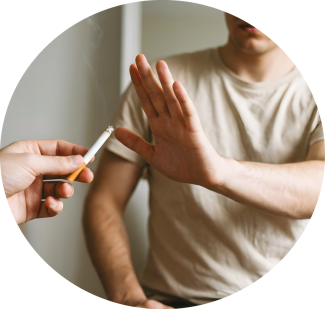
Quitting smoking is one of the best things you can do for both your physical and mental wellbeing. During the festive season, drinking more alcohol than usual can also increase the urge to smoke and make quitting more difficult.
While many people feel that smoking helps them cope with stress, stopping smoking can actually improve mood and reduce anxiety over time.
If you are thinking about stopping, you are not alone. Support is available when you are ready and taking that first step can make a real difference to your health and wellbeing.
For more information visit Bexley Stop Smoking
Drink less, feel better
The festive season can be a time of celebration, but it can also bring added pressures and opportunities to drink more alcohol than usual.
Drinking above recommended limits can affect our physical health, sleep, mood and mental wellbeing. Small changes, such as choosing alcohol-free options or taking regular breaks from drinking, can help you feel healthier and more in control.
For more information visit Alcohol change
If you would like additional support, local help is available through The Pier Road Project.
Bexley Crisis Café
Mental health can affect anyone and there may be times when things feel difficult to manage. If you are feeling overwhelmed or struggling to cope, support is available locally and you don’t have to face things alone.
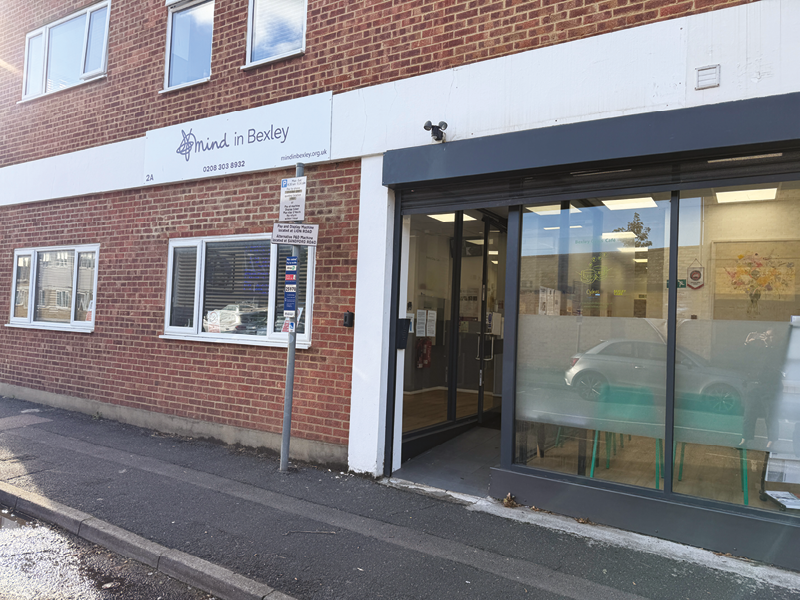
One local source of support is the Mind in Bexley Crisis Café, which provides a safe, welcoming space where you can talk to trained mental health workers, receive emotional support and be signposted to other services if needed.
The Crisis Café is open every evening from 6pm to 10pm including weekends and during holiday periods and you do not need an appointment.
If you or someone else is at immediate risk of harm, call 999. For urgent mental health support at any time, call NHS 111 and select the mental health option. You can also contact the Samaritans free of charge on 116 123, 24 hours a day.
Mind in Bexley Crisis Café 2a Devonshire Road Bexleyheath DA6 8DS