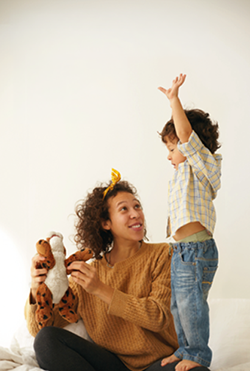


Screen time guidance

Swapping screens for other activities as my brain learns best through chatting, playing and looking at books with you.  New guidance suggests that if I am under two years, I should avoid screen time unless it is being used to have conversations with my family during video calling. When I am over two, guidance suggests an hour a day, or less. The Health Professionals For Safer Screens to help understand the risks of using screens, you can watch or read for more information. 

Best Start in Life guidance suggests recommended screen time.

Image
Best start in life logo

Did you know?

Using screens in the hour before bed suppresses the natural sleep-inducing hormone affecting the quality of sleep overnight. Use of screens also impact on sleep quantity and quality. 

Children have a 30% higher risk of developing myopia (short sightedness) from excessive screen time on smart devices. Studies show that children who spend just one hour outdoors each day can reduce their risk of developing myopia by over 14%.

Children's eyes need the outside

Just 2 hours of outdoor play a day can lower your child's risk of developing myopia (short-sightedness)

More screen time is linked to poorer language development, and children who hear less language early on often fall further behind. If a child is read to 1-2 times per week, they will have heard approximately 63,570 words by the time they are 5 years old. 

Image
child playing in autumn leaves

Real talk beats screen talk

Children learn best through interaction. You are their biggest influence, their role model.

Image
Health Professionals For Safer Screens logo


Useful links:

Your tips for healthier screen times

Children with special education needs and screen use

Image
mother and child