
4. The future of health in Bexley
Our population in 2050
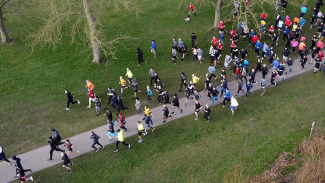
Population growth has been steady over the past decade, and Bexley remains a largely residential outer‑London borough with a mix of family households, older residents living independently, and increasingly diverse communities.
By 2050, Bexley’s population will approach 280,000, with one in four residents aged 65 or older (Greater London Authority, 2024). Children and young people (0–17) will make up about 20%, while working-age adults will account for just over half.
These shifts will shape health priorities across the life course:
- Children and young people: Early years development, mental health, and obesity remain critical challenges. National trends show rising childhood obesity and increasing mental health needs among adolescents (Public Health England, 2023).
- Adults: Lifestyle-related conditions such as diabetes, cardiovascular disease, and stress will require strong prevention measures.
- Older people: Supporting independence and reducing isolation will be key.
Prevention must therefore be central—enabling families and individuals to live healthier lives through active travel, healthy food environments, and mental health support. Ethnic diversity is increasing, particularly among younger age groups, requiring culturally sensitive services and inclusive engagement. These population patterns mean that the borough will need a broad range of services: accessible early years support for families, high-quality education, employment and skills programmes for adults, and health and social care that reflects the needs of an ageing population. Bexley’s future depends on “ensuring residents can live well at every age through prevention, early help, and strong community networks.” (London Borough of Bexley, 2023).

Community identity and belonging remain defining features of Bexley. Yet as the population becomes more diverse and more mobile, the borough will need to support stronger connections across different groups. This includes creating shared spaces, supporting community organisations, and ensuring that residents — whether long-standing or newly arrived — feel valued and included. As our health and wellbeing strategy emphasises, “connected communities where people feel safe, supported and engaged in local life” are of critical importance (London Borough of Bexley; 2023).
Housing quality and design will play a central role in shaping future health. Families need warm, safe homes; young adults require affordable options; and older residents benefit from accessible, adaptable housing that supports independence. Planning for 2050 must therefore prioritise mixed neighbourhoods with green spaces, walkable routes, active travel infrastructure, and proximity to essential services. What we know from local assessments is that poor housing conditions still contribute to unfair differences in health, highlighting the need to focus on safer, healthier homes (London Borough of Bexley; 2023).
Education, early years and lifelong learning are equally critical. Opportunities in childhood strongly influence health trajectories later in life. Supporting high-quality early years provision, ensuring good school readiness, and reducing gaps in educational outcomes will help future generations thrive.
Bexley’s health plans recognise that the earlier we support individuals and families, the better their long-term health outcomes are likely to be (London Borough of Bexley, 2023). The Bexley Wellbeing Partnership (BWP) brings together 17 local organisations to deliver integrated, preventive care across three Local Care Network (LCNs) geographies — North Bexley, Clocktower and Frognal — with Integrated Neighbourhood Teams at their core. These arrangements may also continue to evolve, as the South-East London Integrated Care Board (ICB) undergoes organisational changes—including the cross ICB shared functions agreement with South-West London ICB—and as wider NHS funding pressures shape future neighbourhood structures and responsibilities.
Looking ahead, health and care will increasingly be delivered through an integrated neighbourhood model, where services are joined up around communities rather than institutions, making prevention and early intervention routine.
Across Bexley, the wider determinants of health continue to shape outcomes
North Bexley is our largest and youngest neighbourhood, with high birth rates, high ethnic diversity and a concentration of deprivation. These factors drive higher risks for children and families—including childhood obesity, lower screening uptake, and long-term conditions—requiring place based, culturally competent action with schools, faith and community partners. The Integrated Child Health Team (ICHT) pilot aims to ensure children and young people are seen in the right place setting and to streamline access to the most appropriate service where necessary. Rapid scaling is required to ensure equitable access to prompt, locally delivered joined up care.
Clocktower, by contrast, mirrors the borough average but has more residents aged 85+ and pockets of deprivation that are often hidden by headline figures. Its Integrated Neighbourhood Team (INT) pilot model focusing on people with multiple long-term conditions is based around the practice registered population.
Frognal, the smallest neighbourhood, is generally more affluent and older than the other two, with lower ethnic diversity and fewer deprivation hotspots. However, it faces challenges linked to an ageing population, social isolation and maintaining access to services in a less densely populated area. Compared with North Bexley’s youthful growth and Clocktower’s mixed profile, Frognal’s priorities lean strongly toward Age Well interventions and sustaining community networks to prevent loneliness, frailty and long‑term conditions. Because registration is practice‑based, many registered patients live outside the LCN boundary, which requires careful targeting and close boundary coordination. Its INT pilot focuses on prevention, early intervention and coordinated care, enabling older adults to maintain independence, wellbeing and quality of life for as long as possible. The model is being trialled to support testing of the enabling infrastructure, partnership arrangements and delivery approach, and to undertake robust evaluation during the first year. Learning from this pilot will inform refinement of the model and support future scaling across the borough, ensuring it is both effective and sustainable.
Looking to 2050, uncertainty remains around workforce, funding and the pace of preventive transformation. What is clear is that health and care will collectively be delivered much more through a neighbourhood model in the future—integrating primary care, social care, and community assets around local populations.
National analyses warn of sustained staffing gaps without long‑term investment and reform. Locally, our neighbourhood integrator—comprising of LBB, Oxleas NHS Foundation Trust, Primary Care Networks and Bexley Health Neighbourhood CIC—will bring services together and embed prevention across a system served by multiple acute trusts. At the same time, we will apply the borough‑based accountability and community‑engagement principles highlighted by the Casey Review (Casey, 2023), strengthening trust and transparency in how services are designed and delivered, particularly in communities facing the highest barriers and needing sustained investment and reform. Our neighbourhood‑based accountability model will ensure that residents, community groups and frontline services work together to identify priorities, track progress and shape solutions that reflect the realities of each area.
Environment and resilience
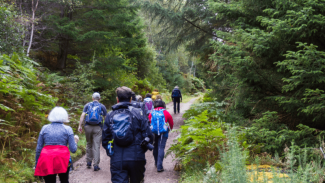
Yet the borough must also prepare for emerging environmental and health pressures. Issues such as poor air quality, periods of extreme heat, and local flood risk—particularly in riverside areas—continue to affect health and wellbeing.
Projections also indicate that Bexley is likely to experience a generally wetter climate with increased rainfall and more frequent flooding, particularly surface water and river related events, bringing additional public health risks such as damp housing, displacement, and impacts on mental wellbeing.
Strengthening environmental resilience will therefore be essential. This includes improving flood preparedness, designing developments that promote healthier living environments, expanding urban greenery, protecting existing habitats, and adapting to increasing numbers of more extreme heat waves. Environmental factors such as air quality and access to green space have a measurable impact on physical and mental health (London Borough of Bexley, JSNA, n.d.).
The 2024 to 2025 Parks Deep Dive reinforced what wider borough evidence already shows: that Bexley’s extensive network of more than 100 parks and green spaces, alongside inclusive initiatives such as the Our Parks programme offering free, coach‑led group exercise sessions across multiple local sites, continues to demonstrate what works by increasing physical activity, fostering social connection, and supporting community wellbeing. Looking ahead to 2050, access to high‑quality green and blue spaces will become even more important, as these environments support exercise, social interaction, relaxation, and biodiversity, all of which contribute to healthier and more resilient communities. Enhancing parks, river paths, and nature areas not only promotes active lifestyles but also helps reduce stress and mitigate the urban heat island effect — benefits increasingly relevant as periods of extreme heat become more common. Sustainable transport infrastructure will be crucial in this transition: by encouraging walking, cycling, and greater use of public transport, Bexley can improve air quality while enabling residents to build physical activity into their daily routines.
Building resilience is not only an environmental duty — it is a public health priority. The actions taken in planning, transport, housing, and green infrastructure over the next decade will determine whether Bexley remains a safe, healthy and attractive place to live for future generations.
Bexley’s journey towards 2050 will be shaped by far more than the health and care services it provides. Demographic change, the quality of neighbourhoods, and the environmental pressures will combine to influence how people live, work and age in the borough.