
Improving our borough
Lesnes Abbey wins Green Flag Award for fourth consecutive year
Lesnes Abbey Woods has once again been recognised as one of the UK’s best parks, proudly receiving a prestigious Green Flag Award for the fourth consecutive year.
The award recognises the exceptional care and management of the 88-hectare ancient woodland and historic site, making it a welcoming destination for residents and visitors alike.
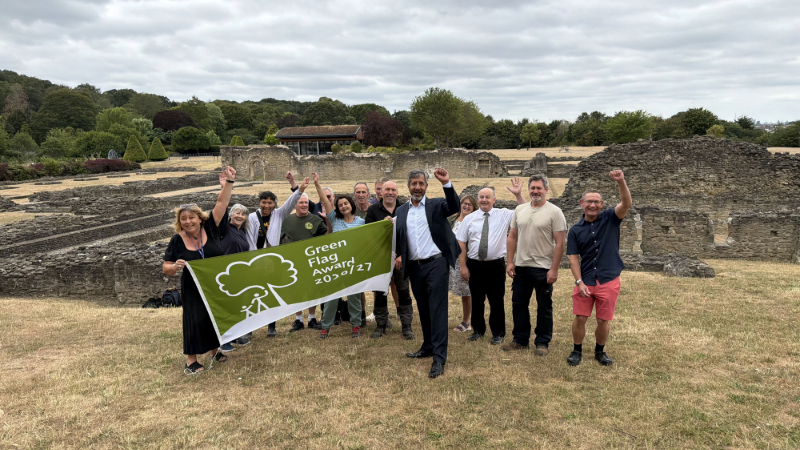
From woodland walks and historic abbey ruins to a children’s playground and outdoor exercise equipment, there’s something for everyone to enjoy.
Councillor Rags Sandhu, Cabinet Member for Environment, Culture and Leisure, said:
This is a fantastic testament to the hard work, passion and dedication of the team and volunteer group ‘The Friends of Lesnes Abbey and Woods’ who care for this green space, ensuring it is maintained to a high standard for visitors and residents to enjoy."
Four Green Flag Awards in a row is a fantastic achievement and recognition of the hard work that keeps Bexley’s parks and open spaces welcoming, well-maintained and enjoyable for everyone.
How recycling works in Bexley
Bexley is one of the top three Councils in London for recycling and thanks to our residents, our recycling rate has increased consistently over the last three years, now reaching 48%.
We were one of the first Councils to introduce a free weekly food recycling service for households and this has recently been extended to all flats, making it easier for more residents to recycle their food waste.
But have you ever wondered what happens after you put a plastic bottle, yoghurt pot or glass jar into your white-lidded or silver recycling bin?
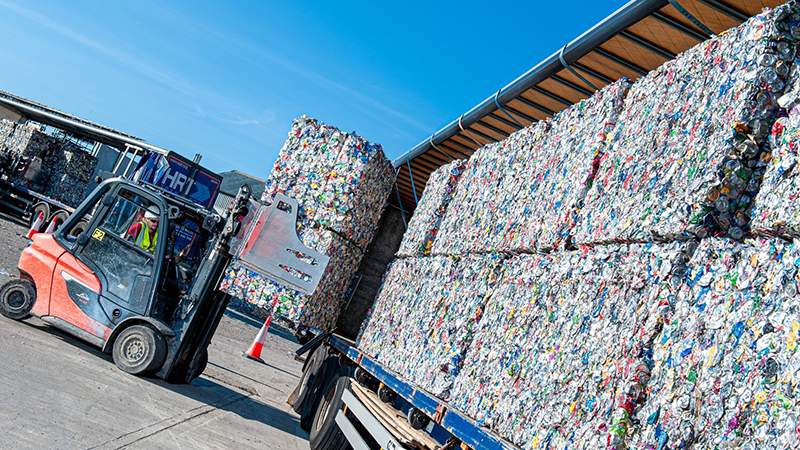
Once collected from homes across Bexley, these materials are taken to a specialist recycling facility in Crayford. Here, they are sorted and baled before being sent to reprocessors to be turned into new goods.
Glass is sorted by colour, cleaned and crushed into small pieces before being melted and used to manufacture new bottles and jars. Tins and cans are melted down into metal sheets and used to make new food and drink cans, kitchen foil, ladders and car parts.
Plastic is separated by type, compressed into bales, shredded, washed and melted into pellets. These pellets are then sold to manufacturers to create new products such as bottles and food trays.
The success of your recycling depends on the quality of the materials collected. Items such as nappies, plastic bags, liquids, batteries, electrical items and other non-recyclable materials can contaminate household recycling loads and make them more difficult to process. In some cases, contamination can cause entire lorry loads of recycling to be rejected.
By taking a few moments to empty and rinse containers before recycling them and making sure they go in the right bin, you can help ensure more materials are successfully recycled into new products.
If you are unsure what goes in each recycling bin, visit our recycling pages.
Recycle it right
Batteries
Never put batteries in your household bins as they can cause fires and put collection crews at risk. Recycle them at a Council Reuse and Recycling Centre, Council library or supermarket recycling point.
Pumpkins
Don’t let your pumpkin go to waste after Halloween. Remove any candles and put it in your food recycling box.
Bexley secures grant to clean up gum
Thanks to the Council’s successful bid for external funding, we’ve been tackling the sticky issue of chewing gum in Northumberland Heath, Nuxley Road and Picardy Street in Belvedere and on Blackfen Road.
We have been awarded £27,000 for the clean-up, the third grant that we have been awarded by the Chewing Gum Task Force grant scheme that was established by Defra (Department for Environment, Food and Rural Affairs).
Winning these additional funds follows a successful cleanup in Bexleyheath Town Centre in autumn 2024 and a gum cleanup in Sidcup High Street and at Sidcup Station and Welling High Street in summer 2025.
Investing in Bexley’s roads
Recent Government figures rank the condition of Bexley’s roads among the top 10 in England. While this is something we can be proud of, we know there is always more to do and are continuing to invest in improving our roads across the Borough.
In 2026/27, we are investing an additional £9 million in our roads, while working more closely with utility companies as they upgrade ageing gas and water infrastructure. Fixing potholes and keeping our roads in good condition also remain key priorities.
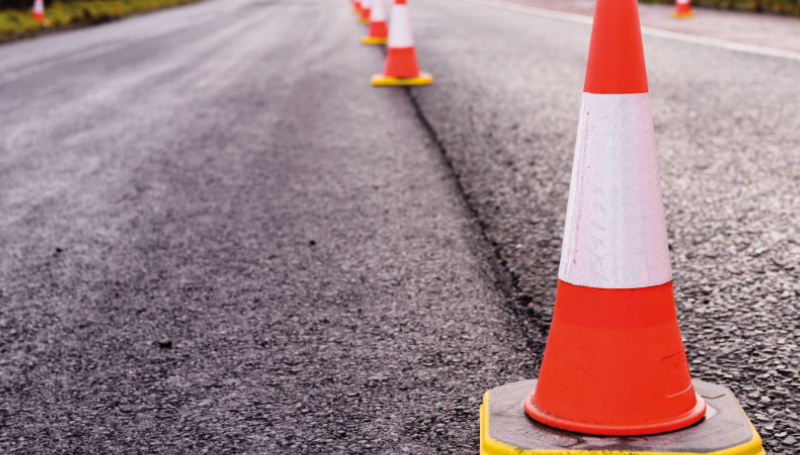
We know that road and utility works can be frustrating, particularly when they cause delays and disruption to journeys. Utility companies also have powers to carry out emergency works when needed, meaning some works cannot always be planned or coordinated in advance. While we do not control when these emergency works are required, our Highways team works to manage their impact and ensure disruption is kept to a minimum.
We regularly meet with our contractors and utility companies to make sure works progress as quickly as possible, residents receive information and notice wherever possible, and appropriate signage and diversion routes are in place.
There may also be times when activity on a site is less visible, but essential work can still be taking place behind the scenes to complete different sections safely before the road can reopen.
When emergency works are needed, such as the recent burst water main in Crayford High Street, the Highways team works quickly to put signage and diversions in place, liaise with Transport for London where appropriate and press utility companies to prioritise residents’ needs and keep people informed.
To help you plan your journeys and avoid disruption, details of planned roadworks are available.
Please continue to report highway issues through FixMyStreet.
Crackdown on fly-tipping
An investigation by officers following the illegal fly-tipping of waste in Erith has resulted in £1,500 of fixed penalty notices being issued.
Councillor Rags Sandhu, Cabinet Member for Environment, Culture and Leisure, said:
We do not tolerate any form of fly tipping in our Borough and those caught dumping waste can expect to be prosecuted and fined. We know that our tough approach is working as recent government figures show that in 2024 to 2025 the number of fly tipping instances in Bexley reduced by 12% year on year thanks to the Council’s crackdown."
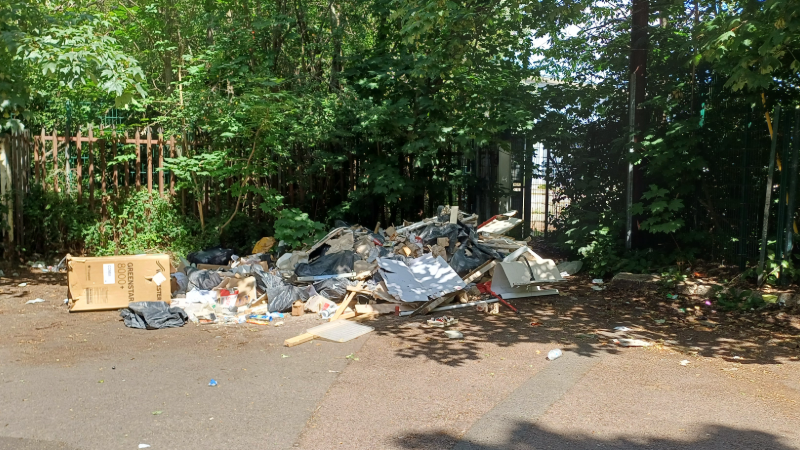
Following the fly-tipping incident in Corinthian Manorway, Erith, Council Officers working in partnership with our enforcement provider Wise, sifted through the waste. They were able to identify not only the contractor responsible for illegally dumping the waste, but also the individual who had failed to ensure that the contractor they’d employed to dispose of their waste was officially registered.
If you are hiring someone to remove your rubbish, you must always make sure you use a registered waste carrier or you could be fined. Information about licensed waste carriers can be obtained from the Environment Agency’s website.
This success follows the significant reduction of fly-tipping incidents in Wallhouse Road in Erith where, with the introduction of increased enforcement measures including the installation of CCTV, increased patrols and heavier fines, the problem of persistent fly-tipping has been reduced and the area improved significantly.
It is quick and easy to report fly-tipping to the Council through FixMyStreet.
If you have evidence of an offence such as photos, video or dashcam footage email envirocrime@bexley.gov.uk.