All our yesterdays

100 years since the General Strike

Like many industrial towns across Britain, the General Strike of 4 to 12 May 1926 brought Erith to a standstill.

The strike was called in sympathy with miners who were fighting a pay reduction along with an increase in their working hours.

At that time Erith’s heavy machinery works, coal depots and boatyards employed thousands of people. The flour mill of Cannon & Gaze (now the site of the Riverside Gardens) dominated the High Street. Signs of Erith’s industrial heritage can still be seen today in railway lines, docks and wharves used by Vickers and Fraser & Chalmers.

Striking workers were torn between loyalty to their employers, to the unions and to their fellow workers. Public transport stopped and local residents were not able to get to work. Newspapers ceased production and coal, food and milk supplies were restricted. Those who came out on strike lost wages and were not guaranteed to have a job after the strike was over.

In the end, the nine-day strike was called off without achieving its objectives and in the following year the Trades Disputes Act banned sympathy strikes. However, it was one step on a long road of improving rights for workers. It wasn’t until 1978 that the first Monday in May became a Bank Holiday, something not enjoyed by those workers in 1926.

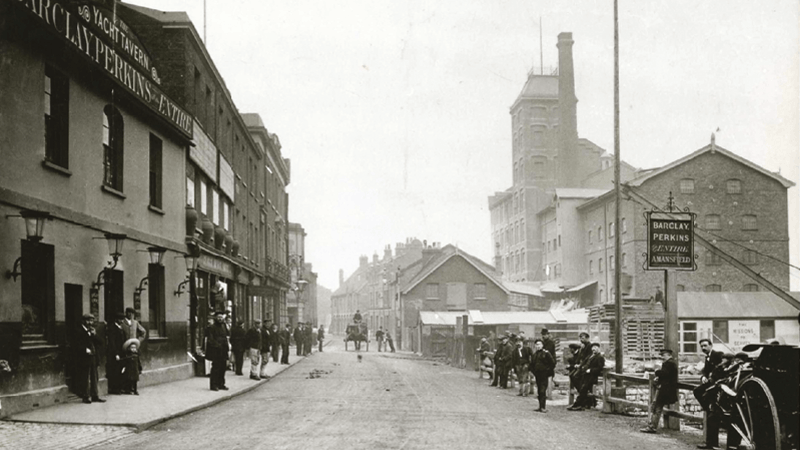
Image
Photo of the Cannon & Gaze flour mill, High Street, Erith, 1905
Cannon & Gaze flour mill, High Street, Erith, 1905
Image
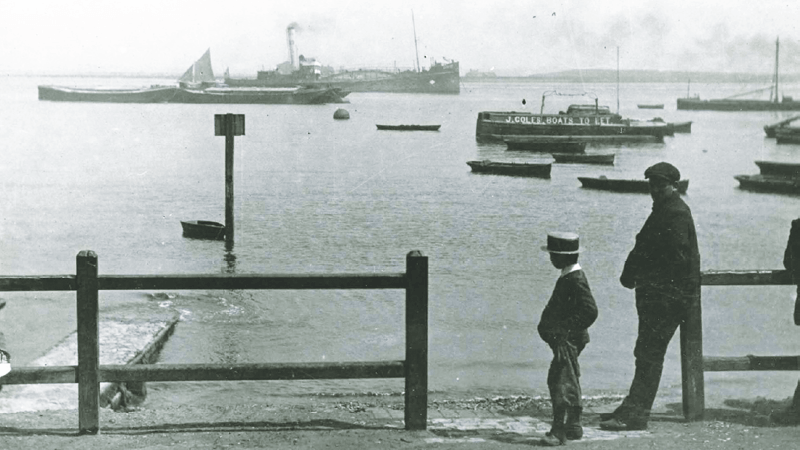
Photo of the Thames at Erith, 1915
The Thames at Erith, 1915
Image
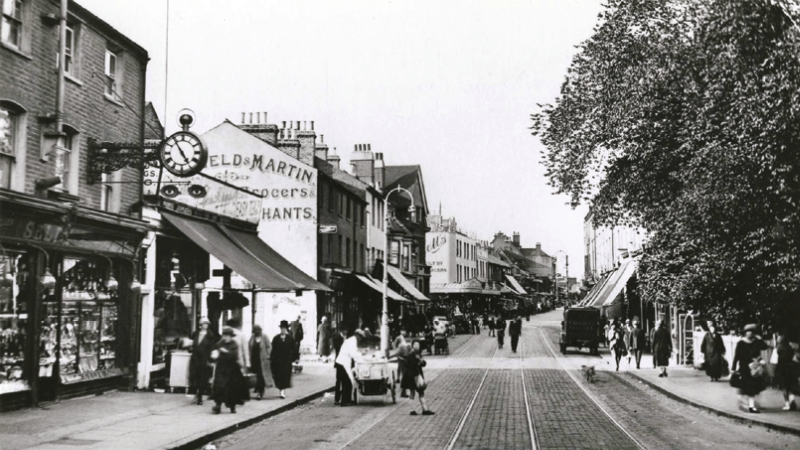
Photo of the shops of High Street, Erith, 1929
The shops of High Street, Erith, 1929
Image
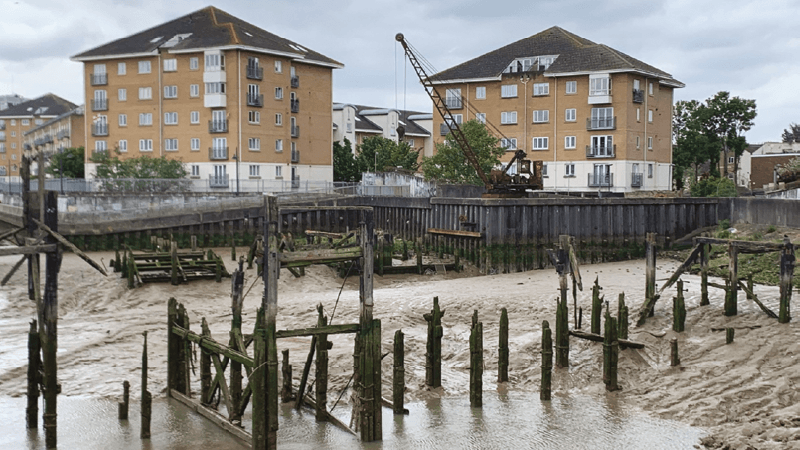
Photo of the remains of Upper Ballast Wharf, Erith, 2026
Remains of Upper Ballast Wharf, Erith, 2026

Remembering World War Two

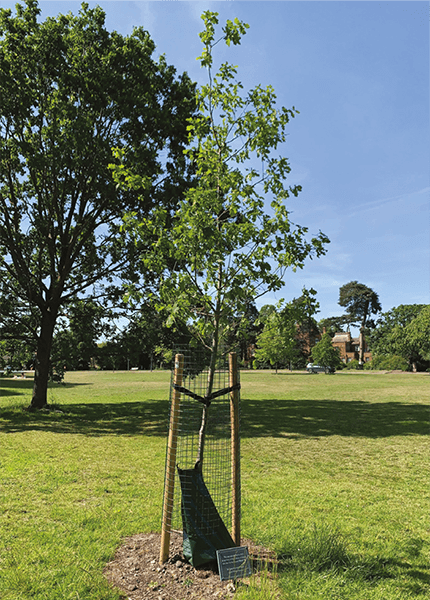
The Lamorbey and Sidcup Local History Society has planted an oak tree in memory of the civilians of Sidcup who died in the Second World War. 

This war involved everyone, not just the armed forces. When the bombing attacks of the Blitz came in 1940, the casualty numbers began to rise. Local people volunteered as air raid wardens, ambulance drivers, first aiders and rescuers. The flying bomb and rocket attacks in 1944 to 1945 were devastating as rows of houses were destroyed and neighbours - sometimes whole families - were killed or injured.

Located at The Green, near to the Sidcup War Memorial, the tree and plaque were made possible thanks to funding from Coca-Cola and support from the London Borough of Bexley’s Parks Team. At a dedication ceremony in April the names of those who died were read out.

Image
Photo of the World War Two memorial Oak tree at Sidcup, 2026

Events and News

Subscribe to the Archives Highlights newsletter to hear about our programme of talks and walks for 2026.

Or visit us at the Local Studies Centre at Central Library to pick up an events programme.

Subscribe to the Bexley Updates newsletter